The Ultimate Guide to Epoxy Paint: Everything You Need to Know
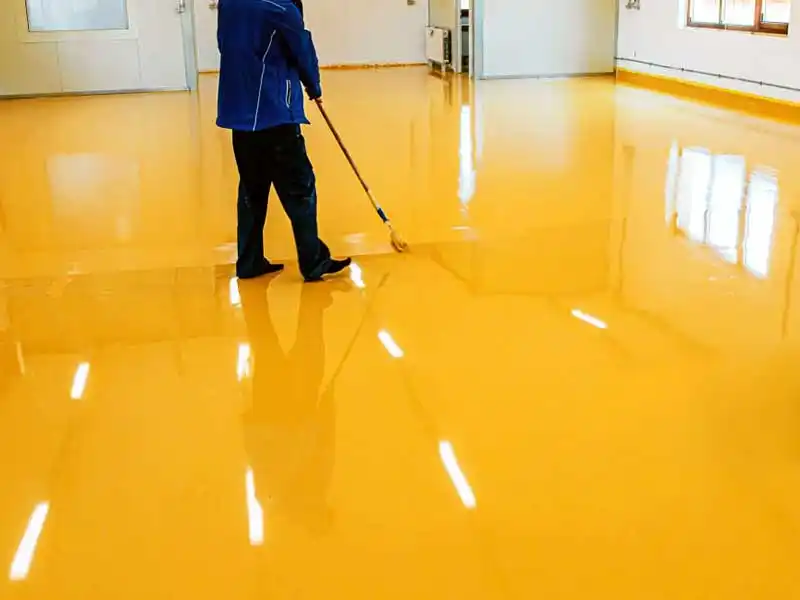
Epoxy paint, also known as an epoxy coating, is a high-performance protective solution used across countless industries and residential applications. From industrial warehouse floors to marine vessels, this two-component system offers unparalleled durability and protection. Understanding what epoxy paint is, its types, costs, and application methods is crucial for anyone looking to achieve a long-lasting, professional finish.
This comprehensive guide will walk you through everything, ensuring you can make an informed decision for your next project.
What Is Epoxy Paint? The Fundamentals
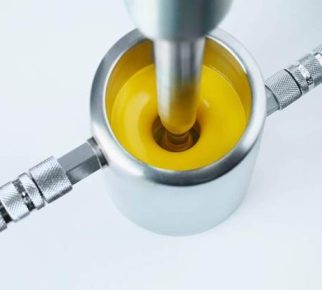
Epoxy paint is a two-part thermosetting coating system. Unlike conventional latex or acrylic paints that dry through evaporation, epoxy cures through a chemical reaction. The two components are:
-
Part A: Epoxy Resin: This is the base of the coating, providing the core characteristics like adhesion, chemical resistance, and overall durability.
-
Part B: Hardener (or Curing Agent): Typically a polyamide or polyamine-based agent, this part acts as the catalyst for the reaction.
When these two parts are mixed, a process called cross-linking begins. The resin and hardener molecules bond together, forming a rigid, interconnected polymer structure. The result is not just a dried layer of paint but a hard, durable, and solid plastic-like coating that is chemically fused to the substrate.
The Unmatched Benefits of Epoxy Coatings
Epoxy's popularity stems from its superior performance characteristics, making it the go-to choice for demanding environments.
-
Exceptional Durability & Mechanical Strength: It creates an incredibly hard-wearing surface resistant to abrasion, impact, heavy traffic, and scratches. This makes it perfect for garage floors, workshops, and industrial facilities.
-
Superior Chemical Resistance: Epoxy stands up to a wide range of chemicals, including oils, gasoline, acids, alkalis, and cleaning solvents.
-
Powerful Adhesion: It forms a tenacious bond with various substrates, including concrete, metal, and wood, preventing peeling and delamination.
-
Water and Moisture Impermeability: It creates a seamless, non-porous barrier that is completely waterproof, making it an excellent choice for waterproofing and for use in damp environments like basements or industrial kitchens.
-
Aesthetic and Hygienic Finish: Epoxy coatings provide a smooth, high-gloss (or matte/satin) finish that is easy to clean, dust-free, and gives a clean, modern look.
Key Disadvantages and Limitations to Consider
To make a balanced decision, it's important to be aware of epoxy's limitations:
-
UV Sensitivity: Standard epoxy coatings have poor resistance to ultraviolet (UV) radiation from sunlight. When exposed to direct sun, they tend to yellow and break down in a process called "chalking." For outdoor applications, a polyurethane topcoat is essential for UV protection.
-
Limited Pot Life: Once the resin and hardener are mixed, you have a limited window of time (the "pot life") to apply the product before it begins to harden.
-
Requires Thorough Surface Preparation: The performance of epoxy is directly tied to the quality of the surface preparation. The substrate must be perfectly clean, dry, and profiled for the coating to bond correctly.
Wide-Ranging Applications of Epoxy Paint
Its versatility makes epoxy suitable for a vast array of applications:
-
Industrial & Commercial Flooring: The number one choice for warehouses, factories, hospitals, laboratories, and parking garages.
-
Protective Metal Coatings: Used as an anti-corrosion primer and coating for structural steel, pipelines, and heavy machinery.
-
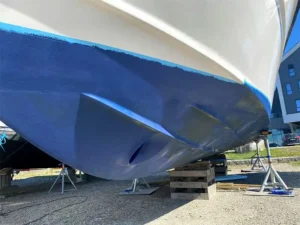
Marine Industry: Applied to ship hulls, decks, and offshore rigs for its outstanding resistance to saltwater and corrosion.
-
Tank Linings: Used to line water tanks (potable water-grade epoxy) and chemical storage tanks.
-
Aerospace & Electronics: Employed as structural adhesives and for insulating electrical components.
-
Building & Construction: Ideal for machine rooms, swimming pools, and other high-demand architectural surfaces.
Understanding the Types of Epoxy Paints: A System Approach
Epoxy coatings are typically applied as a multi-layer system. Each layer has a specific function.
1. Epoxy Primers
The first coat applied to the prepared substrate. Its primary job is to ensure strong adhesion and provide a foundation for subsequent coats.
-
Epoxy Zinc-Rich Primer: Contains a high percentage of zinc dust, offering exceptional cathodic protection against corrosion for steel surfaces. It's the gold standard for heavy industrial and marine environments.
-
Epoxy Zinc Phosphate Primer: A versatile and effective anti-corrosive primer for general steel fabrication.
-
Epoxy Iron Oxide Primer: A general-purpose primer used on steel and concrete in corrosive atmospheres.
2. Epoxy Intermediate Coats (Mid-Coats)
Applied over the primer, this layer builds thickness (often called a "High-Build" coat), enhances the system's overall durability, and creates a uniform surface for the topcoat.
-
Epoxy Polyamide Mid-Coat: Designed to add significant film thickness, increasing the barrier protection of the system.
3. Epoxy Topcoats
This is the final layer, providing the desired appearance (color and gloss level) and the first line of defense against the environment.
-
Epoxy Polyamide Topcoat: Available in gloss, semi-gloss, and matte finishes. Offers good chemical and abrasion resistance for indoor applications.
-
Epoxy Coal Tar: A specialty coating that offers exceptional water resistance, making it ideal for buried structures or surfaces submerged in water.
-
Potable Water Epoxy: A certified coating that is safe for contact with drinking water.
Epoxy vs. Polyurethane: The Critical Difference
These two are often used together in high-performance systems.
Epoxy serves as the ideal primer and build-coat. It provides excellent adhesion, thickness, and underlying chemical/abrasion resistance. Its weakness is UV light.
Polyurethane (PU) is the perfect topcoat over epoxy. It has excellent UV resistance (it won't yellow or chalk), maintains its gloss and color far longer, and offers great scratch resistance.
Rule of Thumb: For the ultimate durable system exposed to sunlight, use a full epoxy system (primer + mid-coat) finished with a polyurethane topcoat.
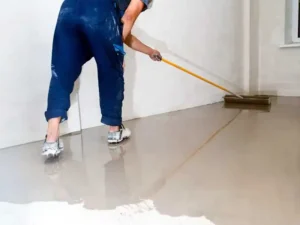
The Step-by-Step Guide to Applying Epoxy Paint
Proper application is key to unlocking epoxy's performance benefits.
-
Surface Preparation (The Most Crucial Step):
-
Metal Surfaces: The surface must be abrasive blasted (e.g., sandblasting) to a specific standard, such as SSPC-SP10 / NACE No. 2 ("Near-White Metal Blast Cleaning"), to remove all rust, mill scale, and contaminants.
-
Concrete Surfaces: The concrete must be mechanically ground or shot-blasted to remove any surface laitance and create a profile. It must be completely clean, dry, and have a moisture content below 4%.
-
-
Mixing the Components:
-
Carefully combine Part A (Resin) and Part B (Hardener) according to the exact mixing ratio specified on the product's Technical Data Sheet (TDS).
-
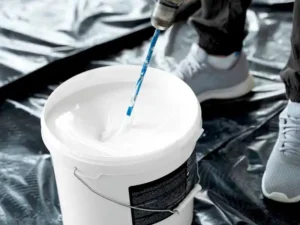
Use a low-speed mechanical mixer (a drill with a paddle attachment) to blend the components for 2-3 minutes until the mixture is uniform in color and consistency.
-
-
Application:
-
Apply the mixed epoxy using a high-quality roller, brush, or an airless sprayer.
-
Work in manageable sections, keeping the product's pot life in mind. Only mix as much material as you can apply within that timeframe.
-
-
Curing:
-
Allow the coating to cure as per the manufacturer's instructions. There are different stages of curing (touch dry, hard dry, full cure). Avoid any traffic or exposure to chemicals until the coating has fully cured.
-
How to Choose and Buy the Right Epoxy Paint
Follow these steps to ensure you purchase the correct product for your needs:
-
Get Professional Advice: Before you buy, discuss your project's specific requirements (substrate, environment, expected exposure) with our experts. We can help you specify the right system. [Link to your Contact Us page] for a free consultation.
-
Compare Price Wisely: The price of epoxy paint varies based on its type (e.g., a zinc-rich primer is more expensive than a basic topcoat) and quality. Don't just choose the cheapest option; consider the long-term value and performance. View our product pricing here: [Link to your Shop page].
-
Buy from a Reputable Source: Purchasing from a trusted supplier guarantees that the product is authentic and made from high-quality raw materials.
-
Always Read the Technical Data Sheet (TDS): This document is your most important resource. It contains all the critical information, including mixing ratios, pot life, curing times, and recommended application thickness.
Frequently Asked Questions (FAQ)
-
Can I apply epoxy paint myself?
-
For small residential projects like a garage floor, DIY application is possible with careful preparation. For industrial or large-scale projects, hiring a professional application team is highly recommended to ensure proper surface prep and a lasting finish.
-
-
How long does epoxy paint last?
-
A professionally installed, high-quality industrial epoxy flooring system can last 5-10 years or more, depending on the thickness, quality of installation, and the level of traffic and abuse it endures.
-
-
Is epoxy paint good for a garage floor?
-
Absolutely. Epoxy is one of the best solutions for garage floors due to its outstanding resistance to hot tire pickup, oil, gasoline, and abrasion.
-
Conclusion
Epoxy paint is a smart investment in the long-term protection and aesthetic enhancement of your surfaces. By choosing the right system and ensuring a proper, professional application, you can enjoy its incredible benefits for years to come.
For expert advice and to purchase the ideal epoxy coating system for your project, contact our specialists today!