
How Nanotechnology is Transforming Industrial and Traffic Paints
In the fast-evolving world of industrial and traffic paints, a silent revolution is underway. This revolution is driven by nanotechnology, a groundbreaking field of science that is redefining the properties and performance of coatings. For industries that rely on durable, long-lasting, and high-performance paints, this innovation is a game-changer. At Araz Shimi Fam, we are at the forefront of embracing these new technologies to provide the best solutions to our clients.
What is Nanotechnology in Paint?
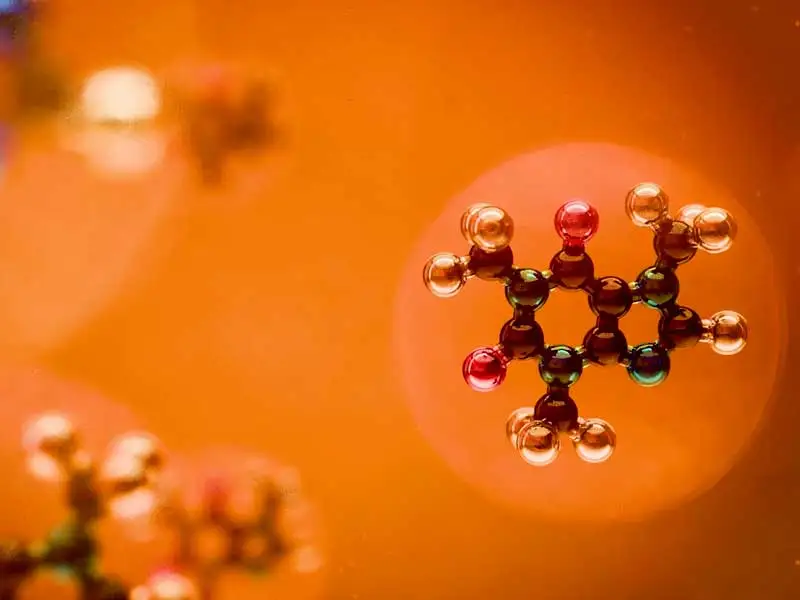
Nanotechnology involves the manipulation of matter on an atomic and molecular scale, as defined by leading scientific bodies like the National Nanotechnology Initiative. When applied to paints and coatings, it means incorporating nanoparticles to fundamentally improve their properties. These tiny particles, invisible to the naked eye, create a stronger, more resilient, and more effective paint. The result is a new generation of "smart" paints with unprecedented capabilities.
Key Benefits of Nanotechnology in Paints:
- Enhanced Durability and Scratch Resistance
- Self-Cleaning Properties
- Improved UV and Corrosion Resistance
- Antimicrobial and Anti-Fungal Properties
- Eco-Friendly Solutions

Enhanced Durability and Scratch Resistance
Nano-enhanced paints offer superior resistance to abrasion, scratching, and wear and tear. This is particularly crucial for traffic paints, which are subjected to constant friction from vehicles, and for industrial coatings that must withstand harsh environments. The nanoparticles create a denser and more robust surface, extending the lifespan of the paint and reducing the need for frequent re-application.
Self-Cleaning Properties
One of the most remarkable innovations is the development of self-cleaning or "easy-to-clean" paints. Inspired by the natural phenomenon known as the "lotus effect", these paints have a surface that repels water and dirt. When it rains, water droplets bead up and roll off, carrying dust and grime with them. This is a significant advantage for building exteriors, industrial facilities, and even road markings, keeping them cleaner and more visible for longer.
Improved UV and Corrosion Resistance
Industrial structures and road markings are constantly exposed to the elements, including harsh UV radiation and moisture, which can lead to fading, degradation, and corrosion. Nanoparticles can significantly enhance a paint's ability to resist these environmental stressors, ensuring that colors remain vibrant and the underlying material is protected from rust and decay.
Antimicrobial and Anti-Fungal Properties
In environments where hygiene is critical, such as hospitals, food processing plants, and public transport, nano-paints with antimicrobial properties can inhibit the growth of bacteria, mold, and fungi. This creates a safer and healthier environment.
Eco-Friendly Solutions
The move towards more sustainable practices is a key trend in the paint industry. Many nano-coatings are water-based and have low or zero volatile organic compounds (VOCs), which are regulated due to environmental and health concerns. This makes them a more environmentally friendly choice without compromising on performance.
The Future of the Paint Industry with Nanotechnology
The applications of nanotechnology in the paint industry are vast and continue to grow. From "smart" traffic lines that are more visible to autonomous vehicles to industrial coatings that can repair themselves, the possibilities are endless. As a leader in the production and implementation of traffic and industrial paints, Araz Shimi Fam is committed to exploring and utilizing these advanced technologies to deliver superior products and services to our customers.