Traffic Safety and the Role of Road Markings in Reducing Accidents
Introduction
Traffic safety is one of the most critical concerns in modern societies. Every year, millions of people are killed or injured in road accidents. According to the World Health Organization (WHO), more than 1.3 million people die annually due to road crashes, while tens of millions suffer injuries.
One of the simplest yet most effective ways to enhance road safety is through proper road marking and the use of high-quality traffic paints
The Importance of Road Markings in Traffic Safety
Road markings serve a function beyond being simple visual guides. They:
-
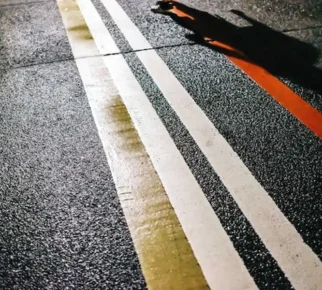
Define vehicle lanes and guide drivers.
-
Highlight danger zones and restricted areas.
-
Prevent lane interference and improve traffic flow.
-
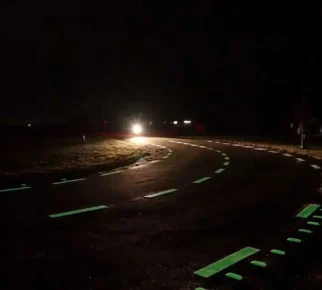
Help drivers maintain orientation in low visibility (night, rain, fog).
Therefore, the quality and durability of traffic paints directly impact traffic safety
Global Standards for Traffic Paint
Organizations like the Federal Highway Administration (FHWA) and ISO provide clear standards for road markings. Key requirements include:
-
Retroreflectivity: Lines must be visible at night and during rain.
-
Abrasion Resistance: Paint should withstand heavy traffic and weather.
-
Adhesion and Durability: Strong bonding to road surfaces to prevent quick fading.
-
Environmental Compliance: Modern paints are designed to be eco-friendly and free of harmful compounds.
The Role of Traffic Paint in Reducing Accidents
Research shows that improving road markings can reduce accident rates by up to 30%.
-
Retroreflective lines guide drivers at night.
-
Durable paints maintain visibility during rain and snow.
-
Clear lane markings reduce sudden lane changes and collisions.
Challenges in Developing Countries (Case of Iran)
Some common issues include:
-
Use of low-quality paints with short durability.
-
Non-standard application leading to poor visibility.
-
Lack of maintenance and regular repainting schedules.
Solutions for Safer Roads
-
Thermoplastic Paints: Long-lasting and highly resistant.
-
Cold Acrylic Paints: Fast-drying, suitable for diverse climates.
-
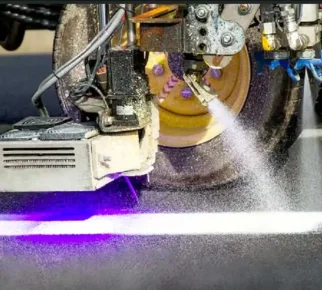
Modern Road Marking Equipment: Ensures uniform, high-precision application.
-
Regular Maintenance: Repainting faded lines in scheduled intervals.
-
Investment in R&D: Developing eco-friendly, durable traffic paints tailored to local climates.
Conclusion
Traffic safety is not only about traffic lights and signs. Proper road marking and high-quality traffic paint are among the most cost-effective and impactful measures to reduce road accidents.
By using standard paints, professional application, and continuous maintenance, cities can significantly improve road safety and quality of life for their citizens.