What is Paint Thinner? The Ultimate Guide for Proper Selection and Use
Understanding Paint Thinner: A Comprehensive Guide
When it comes to painting, many tools come to mind, from brushes and rollers to the paint itself. But one of the most critical, yet often overlooked, materials is paint thinner. Also known as a paint diluent or solvent, thinner is a chemical liquid that plays a key role in preparing paint, cleaning tools, and ultimately, the final quality of your work.
This product is not only used for cleaning brushes and containers stained with oil-based paints but is also essential for adjusting the paint's viscosity (thickness) and removing paint stains from various surfaces. However, paint thinner is a powerful and potentially hazardous chemical that requires careful handling and strict adherence to safety precautions.
Why and When Should You Use Paint Thinner?
Paint thinner is used for two primary reasons:
- To Thin Paint: Sometimes, paints—especially oil-based ones—are too thick for certain applications. They need to be thinned to be used in a paint sprayer (spray gun) or even just to create a smooth, even coat.
- To Clean Up: Thinner is the most effective solvent for oil-based and alkyd paints. After your project is complete, there is no better option for thoroughly cleaning tools like brushes, rollers, and paint trays, preparing them for future use.
Types of Paint Thinner: Which One to Choose?
Understanding the different types of thinners helps you choose the right solvent for each type of paint. Although the term "thinner" is often used generically, these materials come in various types with different chemical compositions and applications.
1. Mineral Spirits
Also known as white spirit, this is the most common thinner for oil-based paints and alkyds. It has a relatively milder odor compared to other thinners and a slower evaporation rate, which gives you more time to work with the paint.
Primary Use: Thinning oil-based paints, cleaning brushes and tools used with oil-based paint.
2. Lacquer Thinner
Lacquer thinner is a very strong and volatile solvent made from a blend of chemicals like acetone, toluene, and xylene. It evaporates very quickly and has extremely high solvent power.
Primary Use: Thinning lacquer-based paints, shellac, and varnishes. It is also used to remove tough, dried paint from metal surfaces. Caution: This thinner can melt plastics and damage other types of paint finishes.
3. Turpentine
Turpentine is a natural solvent derived from the resin of pine trees. It has traditionally been used as a thinner for oil-based paints, especially in fine art painting. It has a strong odor and is more expensive than mineral spirits.
Primary Use: Thinning artists' oil paints and various varnishes.
4. Acetone
Acetone is a powerful solvent with an extremely fast evaporation rate. Its cleaning power is so strong that it can dissolve glue, nail polish, and even dried paints.
Primary Use: Heavy-duty cleaning, removing super glue, and preparing metal surfaces before painting. It should not be used to thin standard oil-based paints, as it will ruin the paint's consistency.
The Most Important Uses of Thinner
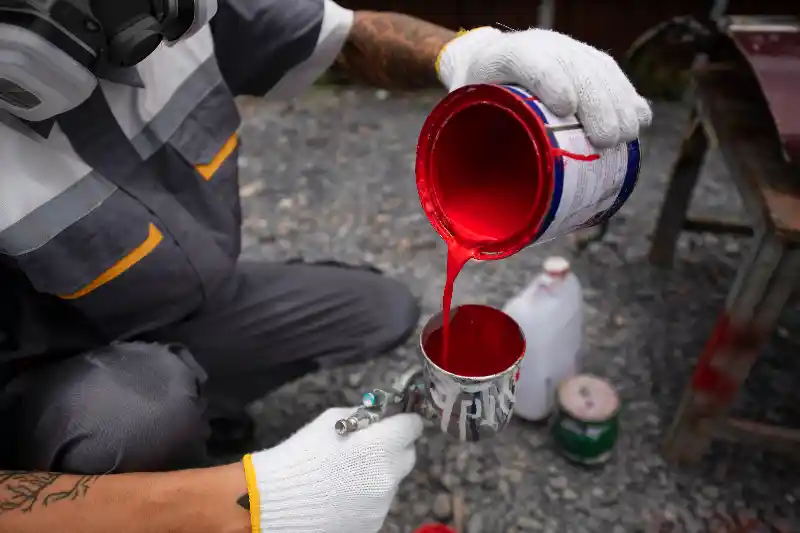
- Adjusting Paint Viscosity: The primary function of thinner is to reduce the thickness of paint to achieve the right flow, especially for use in paint sprayers.
- Cleaning Tools and Equipment: After painting with oil-based products, thinner is the only way to completely clean your brushes, rollers, and other equipment.
- Preventing Paint from Drying Out: If a can of oil-based paint is left open, a hard film will form on the surface. By pouring a very thin layer of thinner over the paint before sealing the can tightly, you can prevent this from happening.
- Removing Paint Stains: To remove oil-based paint stains from ceramic, metal, and certain types of flooring, you can use a cloth lightly dampened with thinner.
Important Note: Never use paint thinner to thin water-based paints like latex or acrylic paints. Doing so will cause the paint to separate and become unusable. Use only water to thin these types of paints.
A Step-by-Step Guide to Thinning Paint
To ensure your paint doesn't lose its quality, mixing it with thinner must be done carefully.
- Use Room Temperature: Make sure both the paint and the thinner are at room temperature (between 15-25°C or 60-77°F). Cold paint is very thick and won't mix properly.
- Start with a Small Amount: Add the thinner to the paint slowly and in small increments. A good general rule is a 4:1 ratio (four parts paint to one part thinner). However, this ratio can vary depending on the paint brand and your sprayer. Always read the manufacturer's instructions first.
- Mix Thoroughly: Using a clean stir stick, mix slowly but completely until the thinner is evenly distributed throughout the paint. Avoid rapid stirring, which can create air bubbles.
- Test the Consistency: After mixing, test the viscosity. If you are using a paint sprayer, the mixture should flow easily through it. If it's still too thick, add a tiny bit more thinner and mix again.
Safety When Using Thinner: An Absolute Necessity
Paint thinner is a toxic and flammable chemical. Its fumes can cause serious harm to the nervous, respiratory, and even reproductive systems. Therefore, following these safety rules is mandatory:
- Proper Ventilation: Always work in a very well-ventilated area. Open all doors and windows, or use a fan to create airflow.
- Use Personal Protective Equipment (PPE):
- Respirator Mask: It is essential to wear a respirator mask with chemical cartridges (not a simple dust mask) to avoid inhaling toxic fumes.
- Safety Goggles: Protect your eyes from accidental splashes by wearing safety goggles.
- Chemical-Resistant Gloves: Use nitrile or neoprene gloves. Standard latex gloves are not resistant to thinner and will dissolve.
- Keep Away from Heat and Sparks: Thinner is highly flammable. Keep it far away from any sources of heat, open flames, or sparks.
- Safe Disposal: Never pour leftover thinner down the drain, into the sewer, or on the ground. Store it in its original container and dispose of it according to your local regulations for hazardous waste.
Frequently Asked Questions About Paint Thinner
- Can I use gasoline instead of paint thinner?
No. While gasoline is a solvent, it is not recommended for thinning paint. It evaporates too quickly, can ruin the paint's finish, and poses a much higher fire risk. - What is the difference between mineral spirits and turpentine?
Mineral spirits are a petroleum-based solvent, while turpentine is a natural solvent derived from pine trees. Mineral spirits are more common for general painting, while turpentine is often preferred for fine art. - What happens if I thin the paint too much?
Over-thinning will reduce the paint's hiding power (it will look transparent), cause it to run, and can lead to cracking or peeling after it dries. The durability of the paint will be severely compromised.
The Arashimi Fam paint thinner, with its precise formulation and proven effectiveness, will guarantee the quality of your paint and finished surfaces.